Kyoto, Kyoto
Fushimi Inari Lower Approach
A famous shrine approach included only as optional Kyoto context — useful when travelers combine a half-day Uji route with an early-morning Inari visit.

About this stop
Why fans visit Fushimi Inari Lower Approach
A famous shrine approach included only as optional Kyoto context — useful when travelers combine a half-day Uji route with an early-morning Inari visit.
From Inari Station, allow about 3 minutes on foot to reach Fushimi Inari Lower Approach. Check the map for the final block because small slopes, one-way streets, or shrine paths can change the last approach. Start from Inari Station, read the street or landscape once without a camera, then choose one angle that best supports the scene cue.
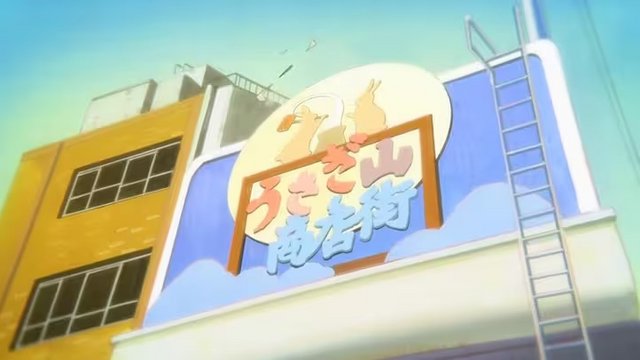
Fushimi Inari Lower Approach is a visual-match stop for Tamako Market travelers fans. A famous shrine approach included only as optional Kyoto context — useful when travelers combine a half-day Uji route with an early-morning Inari visit.
Keep voices low, step aside for residents, and avoid blocking doorways or driveways while comparing the scene.
Fushimi Inari-taisha (Japanese: 伏見稲荷大社) is the head shrine of the kami Inari, located in Fushimi-ku, Kyoto, Japan. The shrine sits at the base of a mountain, also named Inari, which is 233 metres (764 ft) above sea level, and includes trails up the mountain to many smaller shrines which span 4 kilometres (2.5 mi) and take approximately 2 hours to walk up. It is unclear whether the mountain's name, Inariyama, or the shrine's name came first. The shrine was formally founded in 711 CE by the Hata clan, an influential immigrant group from the Korean Peninsula. Inari was originally and remains primarily the kami of rice and agriculture, but merchants also worship Inari as the patron of business. Each of Fushimi Inari-taisha's roughly 10,000 torii were donated by a Japanese business, and approximately 800 of these are set in a row to form the Senbon Torii, creating the impression of a tunne...
Scene comparison
Real location vs anime scene
Visit basics
- Address
- Fushimi Ward, Kyoto
- Nearest station
- Inari Station
- Walk time
- 3 minutes
- Coordinates
- 34.9671, 135.7727
- Related anime
- Tamako Market
- City guide
- Kyoto anime locations
On-site experience
What it feels like to visit
Fushimi Inari Lower Approach is most useful when it explains how Kyoto feels on foot for Tamako Market travelers. A famous shrine approach included only as optional Kyoto context — useful when travelers combine a half-day Uji route with an early-morning Inari visit.
Rather than hunting one perfect frame, read transit flow, light, and neighborhood scale first — those details usually decide whether the stop belongs in your day route.
How to get there
From Inari Station (3 min walk)
From Inari Station, walk roughly 3 minutes on public streets toward Fushimi Ward, Kyoto. Final blocks may involve stairs, shrine paths, or one-way lanes not obvious from the map zoom level.
Open the map at Inari Station, identify 伏見稲荷 参道, and compare the first visible landmark with the scene cue before you start filming.
- Start at Inari Station and pick the exit that shortest-walk maps to Fushimi Ward, Kyoto.
- Walk the normal pedestrian route for about 3 minutes, keeping to marked sidewalks and shrine or temple approaches.
- Pause where foot traffic allows, compare the scene cue with a wide shot, then move on if the area gets crowded.
- Connect to the next Kyoto location on the map if time allows.
Quick visit note
From Inari Station, allow about 3 minutes on foot to reach Fushimi Inari Lower Approach. Check the map for the final block because small slopes, one-way streets, or shrine paths can change the last approach. Start from Inari Station, read the street or landscape once without a camera, then choose one angle that best supports the scene cue.
Etiquette
Keep voices low, step aside for residents, and avoid blocking doorways or driveways while comparing the scene.
Nearby in Kyoto
More stops on the same route

Demachi Masugata Shopping Street
A compact shopping arcade where Tamako Market fans can read storefront rhythm, food stops, and neighborhood scale.
Nishiki Market
Kyoto's covered food arcade where Tamako Market fans read storefront rhythm, narrow sightlines, and daily shopping-street pacing.
Sanjo Bridge
A Kamogawa crossing that helps Tamako Market walkers connect shopping arcades with riverbank promenade segments.
Demachiyanagi Station
The Keihan terminus beside the Kamogawa where Tamako Market routes often start before entering the Masugata shopping street.